
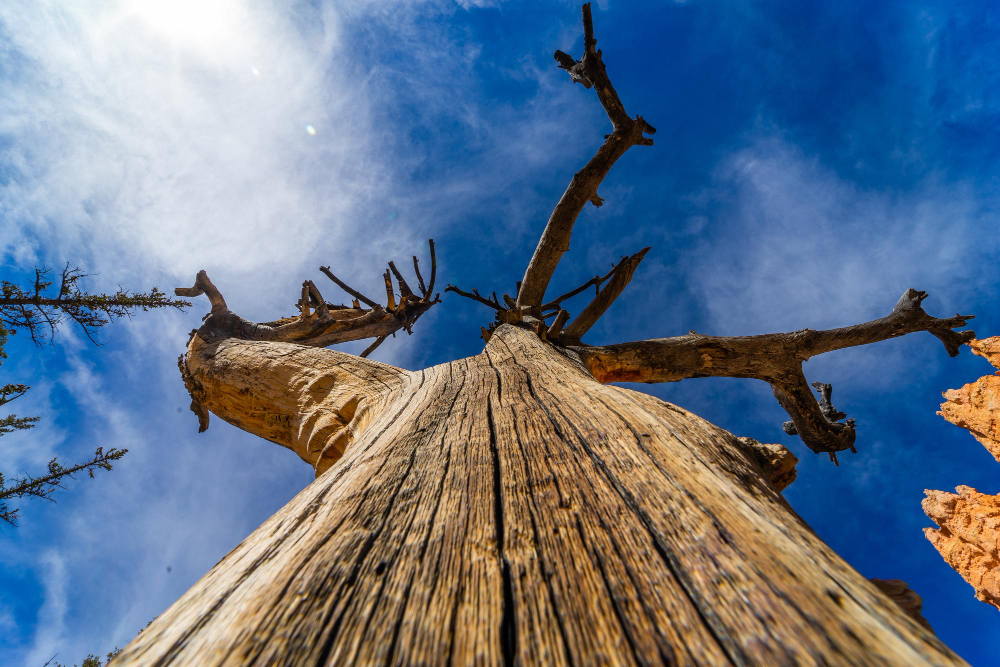
Live oaks are part of what makes Fairhope look the way it does. The canopy coverage along Morphy Avenue, the trees shading front yards in Rock Creek, the massive oaks on older properties near the bluff, they’re a big part of the area’s character. But there are situations where a live oak has to come down, and when that happens, it’s worth knowing what you’re dealing with before the work begins.
Why Live Oaks Are Different From Other Trees
Live oaks are dense. Their wood is significantly heavier than pine, and the branching structure tends to spread out wide rather than grow tall in a tight canopy. That matters a lot when you’re planning a removal, because a live oak positioned near a structure can’t always be felled in a single direction.
In a lot of Fairhope yards, live oaks are growing in tight spaces, close to homes, fencing, driveways, or neighboring properties. The removal approach has to account for everything around the tree, not just the tree itself.
The Root System Is Larger Than You Think
Live oak roots extend far beyond the drip line of the canopy, often two to three times the canopy’s width. That’s relevant for a few reasons. First, it means the tree has a strong anchor in the ground, which affects how the removal needs to be handled. Second, if you’re planning to build, add a pool, or change the grade of your yard after removal, you’ll be dealing with root material spread across a wide area. A good tree crew will walk you through what to expect after the tree comes down.
Permits & Local Regulations in Fairhope
Before any tree removal in Fairhope, AL, it’s worth checking if a permit is required. The City of Fairhope has regulations around the removal of certain trees, particularly those above a specified trunk diameter and those on properties in designated areas near the waterfront or in historic districts.
The permit process isn’t always involved, but skipping it when it’s required can result in fines. A licensed tree service familiar with Fairhope should know the local requirements and handle the permit application as part of the job.
Talking to Your Neighbors Before Work Begins
If the live oak you’re removing is close to a property line, it’s worth a conversation with your neighbor before the crew shows up. Not because you’re legally required to notify them in most cases, but because tree work near a shared fence or within sight of their home tends to go better when everyone knows it’s coming. It also gives you a chance to address any concerns they have about root systems or canopy extending into their yard.
What the Removal Process Actually Looks Like
A live oak removal in a typical Fairhope residential yard is not a simple fell-and-clear operation. The work usually starts with the crew assessing the tree’s lean, the direction of the heaviest limbs, and the proximity to structures. From there, they’ll determine if the tree can come down in sections from a climber or if a crane is needed to lift sections over a roof line or neighboring structure.
Crane-Assisted Removals
Crane-assisted tree removal is more common in Fairhope than many homeowners expect. When a tree is positioned close to a home or when there’s no clear fall zone, a crane allows the crew to remove sections in a controlled lift rather than a ground-level fell. It adds to the cost of the job, but it’s often the only way to do it without putting a structure at risk.
If you’re getting estimates for live oak removal and one company is quoting the job without mentioning crane work for a tree near your home, ask them specifically how they plan to handle those sections. The answer will tell you a lot about their experience level.
What Happens After the Tree Is Down
Stump grinding is usually a separate service from tree removal, and with live oaks it’s worth doing. A live oak stump left in the ground can send up sprouts for years, and the root system stays partially active even after the trunk is gone. Grinding the stump down below grade level takes care of the visible portion and slows that root activity considerably.
Wood from live oak is dense and heavy. Most crews will chip smaller material and haul larger sections. Some homeowners ask to keep the wood for firewood, which is a reasonable request, just confirm it with the crew before they start loading so there’s no confusion on the day of the job.
Replanting After a Live Oak Removal
If you’re removing a live oak that provided significant shade to your home, it’s worth thinking about what goes back in that spot. Not necessarily another live oak in the same location, but something that will provide shade over time. A local nursery or arborist can give you options that work well for Fairhope’s soil conditions and sun exposure.
Getting a Quote for Tree Removal in Fairhope, AL
The cost of live oak removal in Fairhope varies depending on the size of the tree, its position on the property, access available for equipment, and if crane work is required. There’s a wide range, and the only reliable way to get a number that means anything is to have a crew come out and look at the tree in person.
Most reputable tree services offer free on-site estimates. If a company is quoting you over the phone without having seen the tree, treat that number as a rough guess, not a commitment. Live oak removals in particular involve enough variables that a phone quote is rarely accurate in either direction.
Getting the evaluation done early, before the tree becomes a pressing problem, also gives you more options. Once a live oak is actively failing or has already caused damage, your choices narrow fast and the cost goes up. A property assessment now is always the better starting point.