
Short Answer (Immediate Guidance)
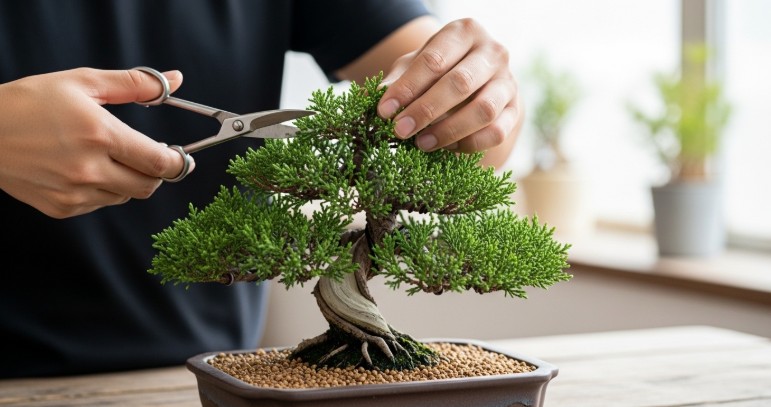
If you’re searching how to prune a bonsai tree?, the goal is to carefully trim new growth, remove unwanted branches, and shape the tree while preserving its miniature form. Bonsai pruning includes both maintenance pruning (regular trimming) and structural pruning (design shaping).
Done correctly, pruning enhances aesthetics, improves airflow, and supports long-term health. Done incorrectly, it can permanently damage the tree’s structure and visual balance.
How to Prune a Bonsai Tree?
Immediate pruning purpose and goals
- Maintain miniature proportions
- Improve branch structure
- Encourage dense foliage
- Remove weak or dead growth
What is Bonsai Tree Pruning and Why It Matters
What the pruning method involves
Bonsai pruning is a precision-based process that includes removing excess growth, shaping branches, and maintaining structure.
Why pruning is essential for bonsai health and design
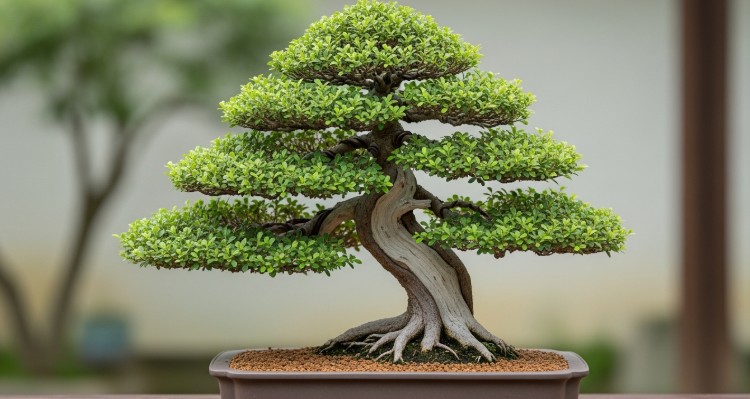
Proper pruning ensures:
- Compact and proportional growth
- Better airflow through dense foliage
- Reduced risk of fungal infections
- Stronger visual balance and artistic form
Maintenance pruning vs structural pruning
- Maintenance pruning: Regular trimming to maintain shape
- Structural pruning: Major cuts to define trunk and branch design
Common Bonsai Tree Problems That Require Pruning
Overgrowth ruining shape
Uncontrolled growth causes bonsai trees to lose their defined miniature structure.
Dead or weak branches
Dead wood reduces both plant health and visual appeal.
Crossing or crowded branches
These reduce airflow and create weak structural points.
Pest or fungal issues
Dense foliage traps moisture, increasing disease risk.
Improper past pruning
Incorrect cuts can permanently distort tree shape and growth direction.
Step-by-Step Guide: How to Prune a Bonsai Tree?
Step 1 – Study the bonsai design
Identify the intended style such as formal upright, informal, or cascade before making any cuts.
Step 2 – Remove dead and unhealthy growth
Cut away dead, diseased, or weak branches first to prevent further damage.
Step 3 – Trim excess new shoots
Control growth by cutting back new shoots to maintain compact shape.
Step 4 – Remove crossing branches
Eliminate branches growing inward or overlapping others.
Step 5 – Shape the canopy
Maintain balance and symmetry according to the bonsai’s design style.
Step 6 – Final inspection and refinement
Check overall structure and make small corrective cuts if needed.
Tools & Equipment Used for Bonsai Tree Pruning
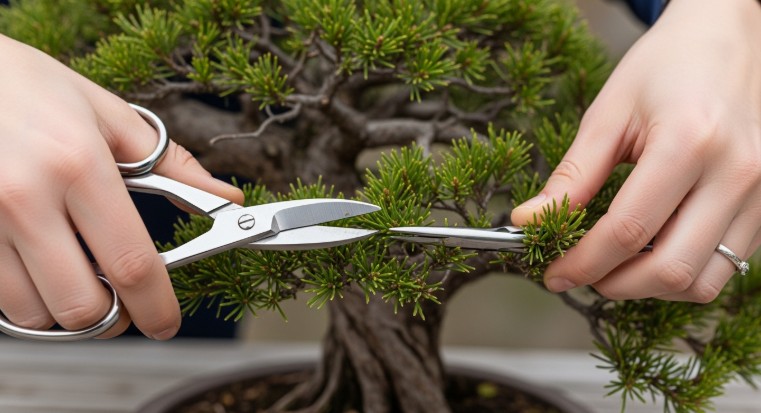
Bonsai pruning scissors
Used for precise, clean cuts on delicate branches.
Concave cutters
Help remove branches without leaving visible scars.
Wire cutters
Used for safely removing training wires.
Bonsai wire
Shapes branches after pruning for controlled growth direction.
Professional bonsai tool kits
Provide full precision control for advanced pruning work.
Safety Considerations in Bonsai Tree Pruning
Precision tool handling
Sharp tools require careful and controlled movement.
Over-pruning risks
Excessive cutting can weaken or even kill the tree.
Infection from improper cuts
Dirty tools may spread disease to the plant.
Why improper pruning damages bonsai design
Wrong cuts permanently affect structure and future growth patterns.
Cost Factors for Professional Bonsai Pruning
Tree age and value
Older or rare bonsai require expert handling.
Complexity of design
Advanced artistic styles increase cost.
Frequency of maintenance
Regular care reduces long-term expenses.
Restoration of neglected bonsai
Corrective pruning is more expensive due to complexity.
Specialized expertise required
Highly skilled bonsai artists charge for precision work.
DIY vs Professional Pruning
| Factor | DIY Bonsai Pruning | Professional Service |
|---|---|---|
| Safety | Low physical risk | Fully controlled process |
| Precision | Basic skill level | Expert-level shaping |
| Tools | Standard tools | Specialized bonsai tools |
| Results | Inconsistent | Highly refined design |
| Efficiency | Slow learning curve | Fast and accurate |
| Long-term health | Risk of mistakes | Optimized growth |
Maintenance & Prevention Tips for Bonsai Trees
Regular light pruning
Keeps bonsai compact and prevents overgrowth.
Seasonal pruning timing
Different species require specific timing for best results.
Proper watering and feeding
Supports recovery after pruning and healthy growth.
Wiring and shaping techniques
Helps guide long-term structure alongside pruning.
Monitoring pests and disease
Early detection prevents serious damage.
When to Call a Professional Arborist or Bonsai Expert
High-value or old bonsai trees
Require expert-level care to avoid irreversible damage.
Complex design shaping
Advanced artistic styles need precision pruning.
Severe overgrowth or neglect
Requires corrective structural restoration.
Disease or structural damage
Needs expert diagnosis and treatment.
Restoration of damaged bonsai
Improper pruning mistakes require professional correction.
People Also Ask
How often should you prune a bonsai tree?
Every 2–4 weeks during active growth for maintenance.
Can you prune bonsai roots and branches together?
Yes, but timing must align with repotting cycles.
What happens if you don’t prune bonsai?
It loses shape and becomes overgrown.
Is bonsai pruning difficult for beginners?
Yes, it requires patience and practice.
FAQs About Bonsai Tree Pruning
When is the best time to prune a bonsai tree?
Usually during the growing season, depending on species.
Can I prune bonsai with regular scissors?
Not recommended; bonsai tools give cleaner, healthier cuts.
How much should I prune at once?
Avoid removing more than 20–30% at one time.
Does pruning help bonsai grow faster?
No, it controls growth rather than accelerating it.
Can over-pruning kill a bonsai tree?
Yes, excessive pruning can severely damage or kill it.
Do all bonsai trees need pruning?
Yes, pruning is essential for maintenance and design.
What tools do professionals use?
Specialized scissors, concave cutters, and wiring tools.
Is professional bonsai pruning worth it?
Yes, especially for valuable or complex trees.
Conclusion
Understanding how to prune a bonsai tree? is essential for maintaining its miniature beauty, structural balance, and long-term health. Bonsai pruning is not just maintenance, it is an art form that defines the identity of the tree.
While beginners can manage light trimming, advanced shaping and restoration require expert precision. Mistakes can permanently alter the tree’s design, making professional guidance valuable for serious enthusiasts.
With consistent care, proper tools, and correct pruning techniques, your bonsai can remain healthy, balanced, and visually stunning for many years.