
Short Answer (Immediate Guidance)
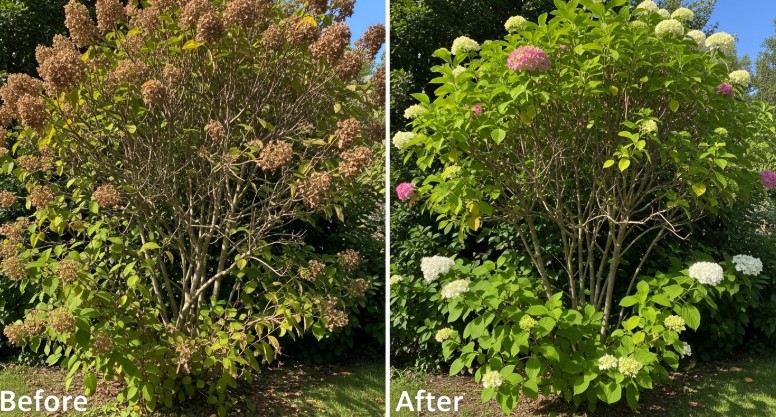
If you’re searching how to prune hydrangea tree, the key is identifying whether your hydrangea blooms on old wood or new wood, then removing dead, weak, and overcrowded branches while maintaining a balanced, open canopy.
Pruning at the wrong time is one of the biggest mistakes homeowners make, it can eliminate blooms for an entire season. Proper, light annual pruning improves airflow, reduces disease risk, and supports strong, vibrant flowering.
For larger or neglected plants, professional services similar to a tree trimming service or an arborist near me search can ensure correct timing and structure.
What is Hydrangea Tree Pruning and Why It Matters
What a how to prune hydrangea tree method involves
Hydrangea tree pruning is a structured process that focuses on maintaining both health and shape. Unlike shrubs, hydrangea trees (standard form) require careful canopy management.
The process includes removing damaged wood, shaping the crown, and encouraging strong flowering stems.
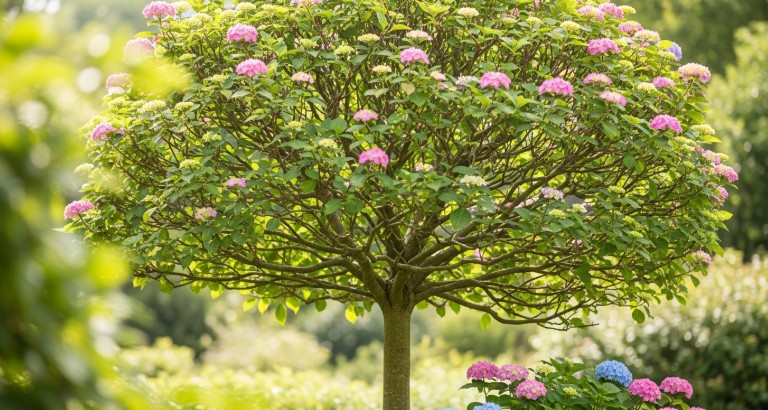
A properly pruned hydrangea tree allows sunlight to penetrate evenly, ensuring all parts of the plant contribute to bloom production.
Why pruning improves flowering and plant health
Pruning directly impacts both aesthetics and plant vitality. When done correctly, it leads to:
- Larger and more vibrant blooms
- Reduced risk of fungal infections
- Better airflow through the canopy
- Stronger branches that can support heavy flowers
In real-world scenarios, arborists often see hydrangea trees collapse under bloom weight simply because structural pruning was ignored.
Old wood vs new wood hydrangeas
Understanding bloom type is critical:
- Old wood hydrangeas bloom on last year’s growth → prune after flowering
- New wood hydrangeas bloom on current growth → prune in late winter or early spring
Incorrect timing is one of the main reasons homeowners search for emergency tree service after realizing their plant didn’t bloom.
Common Hydrangea Tree Problems That Require Pruning
Overgrown canopy reducing blooms
Dense growth blocks sunlight and limits flower production. Without pruning, the inner canopy becomes weak and unproductive.
Dead or winter-damaged branches
In colder climates, dieback is common. Dead branches not only reduce visual appeal but also invite disease.
Weak stems bending under flowers
Hydrangeas produce heavy blooms, and weak stems often bend or snap under pressure.
Storm damage and broken stems
Storms can cause sudden structural damage. Broken stems expose the plant to infection and require immediate correction.
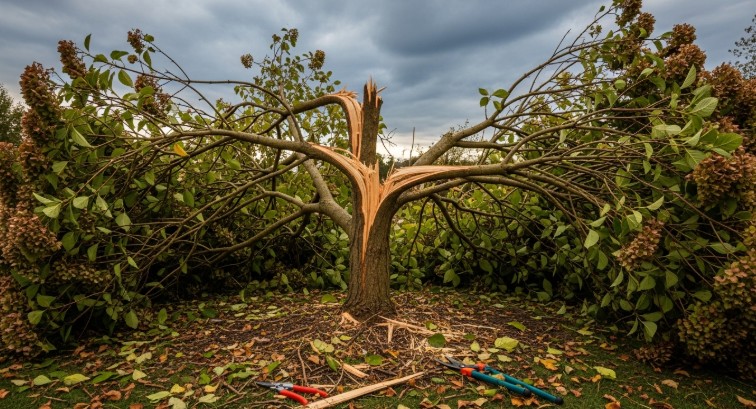
In severe cases, storm damage tree removal may be necessary if the structure becomes unstable.
Step-by-Step Guide: how to prune hydrangea tree
Step 1 – Identify hydrangea type
Before making any cuts, confirm whether your plant blooms on old or new wood. This determines your pruning schedule.
Step 2 – Remove dead and damaged wood
Cut all dead, brittle, or diseased branches back to healthy tissue. This prevents decay from spreading.
Step 3 – Thin overcrowded growth
Remove excess stems growing inward or crossing each other. This opens the canopy for better airflow and sunlight.
Step 4 – Shape into tree form
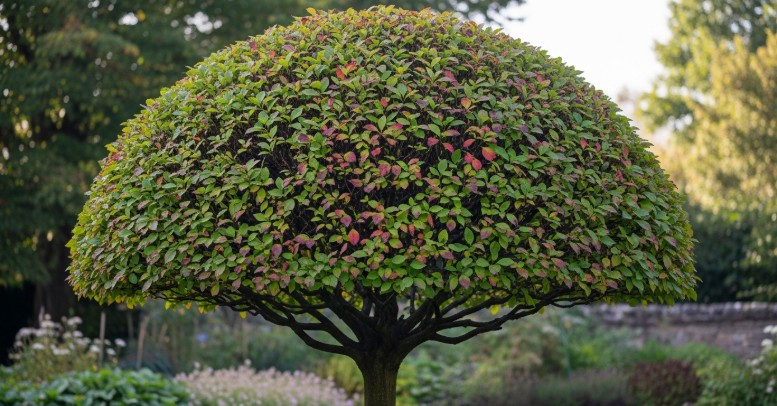
Maintain a clean trunk and a rounded canopy. This not only improves aesthetics but also structural stability.
Step 5 – Cut back weak stems
Thin stems that cannot support blooms should be removed to prevent breakage.
Step 6 – Final inspection and cleanup
Step back and assess the tree. Ensure symmetry, remove remaining weak growth, and clean debris.
Tools & Equipment Used for Hydrangea Tree Pruning
Hand pruners and bypass shears
Ideal for clean, precise cuts on soft stems
Loppers for thicker stems
Provide leverage for older woody branches
Pole pruners
Useful for taller hydrangea trees
Safety gear
Gloves and eye protection reduce injury risk
Professional arborist tools
Used for large-scale pruning and structural correction
Safety Considerations in Hydrangea Tree Pruning
Ladder stability risks
Improper ladder placement is a leading cause of injury
Over-pruning damage
Excessive cutting reduces flowering and stresses the plant
Tool handling injuries
Sharp tools require controlled handling
Why DIY pruning can be risky
Incorrect timing or cuts can ruin bloom cycles and weaken structure
In more severe cases, improper pruning can create hazards similar to those requiring tree removal cost assessments.
Cost Factors for Professional Hydrangea Tree Pruning
Tree size and maturity
Larger plants require more labor and time
Level of overgrowth
Neglected trees need corrective pruning
Accessibility
Tight garden layouts increase complexity
Seasonal timing
Peak seasons can increase pricing
Cleanup requirements
Debris removal adds to total cost
Professional pruning typically costs far less than full stump grinding or tree removal after neglect.
DIY vs Professional Pruning (Comparison Table)
| Factor | DIY Hydrangea Pruning | Professional Service |
|---|---|---|
| Safety | Moderate risk | Fully managed safety |
| Structure | Often uneven | Expert shaping |
| Tools | Basic tools | Advanced equipment |
| Bloom results | Inconsistent | Optimized flowering |
| Efficiency | Slower | Fast and precise |
| Long-term health | Risk of mistakes | Improved longevity |
Maintenance & Prevention Tips for Hydrangea Trees
Prune annually based on type
Ensures consistent blooming cycles
Maintain soil health
Healthy soil supports strong flowering
Avoid overcrowding early
Reduces need for heavy pruning later
Monitor pests and disease
Early detection prevents major issues
Support heavy blooms
Use staking if necessary to prevent breakage
When to Call a Professional Arborist
Large or overgrown hydrangea trees
Require structural correction
Incorrect past pruning
Needs expert reshaping
Severe storm damage
Hidden internal damage requires inspection
Weak or collapsing structure
Risk of plant failure
Need for precise shaping
Professional pruning ensures optimal results
At this stage, searching for an arborist near me is the safest and most effective option.
FAQs About Hydrangea Tree Pruning
When is the best time to prune a hydrangea tree?
It depends on whether the plant blooms on old or new wood.
Can I prune hydrangeas in fall?
Generally not recommended, as it may remove next season’s blooms.
How much should I prune?
Limit pruning to 20–30% of the plant.
Why didn’t my hydrangea bloom?
Most likely due to pruning at the wrong time.
Can I shape hydrangea into a tree form?
Yes, with consistent structural pruning.
Do hydrangeas need yearly pruning?
Yes, light annual maintenance is ideal.
What happens if I over-prune?
You may lose blooms for the entire season.
Is professional pruning worth it?
Yes, especially for mature or valuable plants.
Conclusion
Understanding how to prune hydrangea tree is essential for maintaining a healthy, structured, and bloom-rich plant. Proper pruning ensures better airflow, stronger branches, and consistent flowering year after year.
While basic pruning can be handled by homeowners, mistakes in timing or structure can significantly impact results. For larger, damaged, or complex hydrangea trees, professional pruning from Spots Woods Tree Service offers long-term benefits in safety, plant health, and visual appeal.
If your hydrangea tree is overgrown, storm-damaged, or structurally weak, investing in expert care is often far more cost-effective than dealing with long-term damage or full removal.