
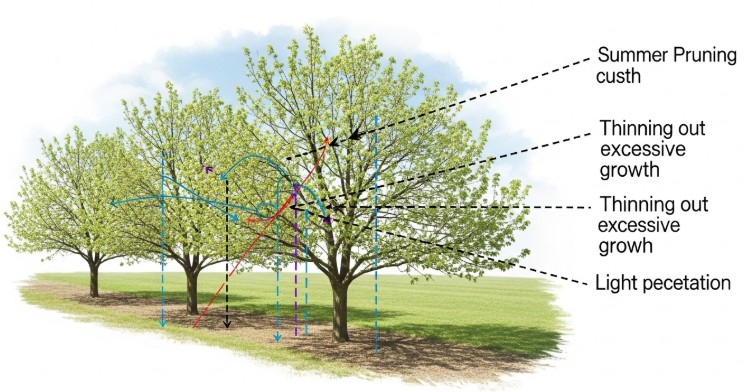
Introduction: Why Proper Fig Tree Pruning Matters
Fig trees are known for fast growth, dense canopies, and high fruit production, but without proper pruning, they quickly become overgrown, weak, and unproductive. Many homeowners face issues like falling branches, poor fruit quality, or storm-damaged trees that become safety hazards in their yard.
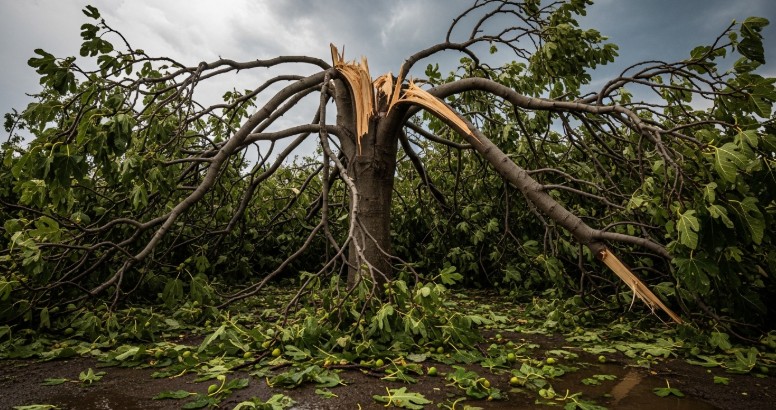
In real-world arborist work, we often see fig trees after storms where heavy winds have split major limbs or caused hidden internal cracks. In such cases, improper DIY cutting can worsen structural instability and increase risk to nearby property.
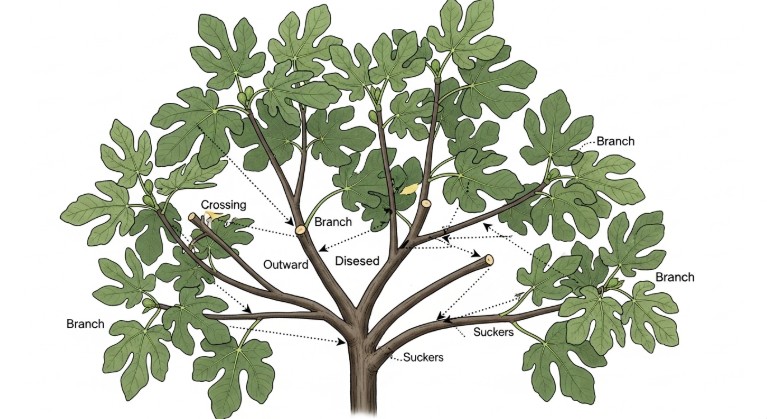
This is where understanding how to prune a fig tree diagram becomes essential. A structured pruning approach not only improves fruit yield but also protects long-term tree health and safety. Professional arborists like Spots Woods Tree Service rely on diagram-based pruning to restore balance in overgrown or damaged fig trees safely and efficiently.
What is Fig Tree Pruning and Why Diagrams Matter
What a how to prune a fig tree diagram represents
A fig tree pruning diagram visually maps the ideal structure of the tree, showing:
- Main framework branches
- Growth direction of fruiting wood
- Branches that should be removed
- Areas requiring thinning for airflow
This structured view removes guesswork and ensures each cut supports long-term health.
Why visual pruning guidance improves results
Without a diagram, pruning often leads to common mistakes like over-cutting or uneven shaping. A visual guide helps maintain balance between growth and fruit production while reducing structural damage risks.
Open canopy vs structured pruning approach
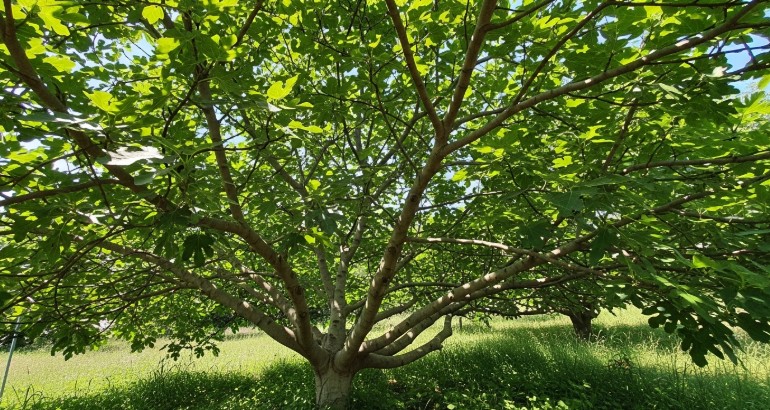
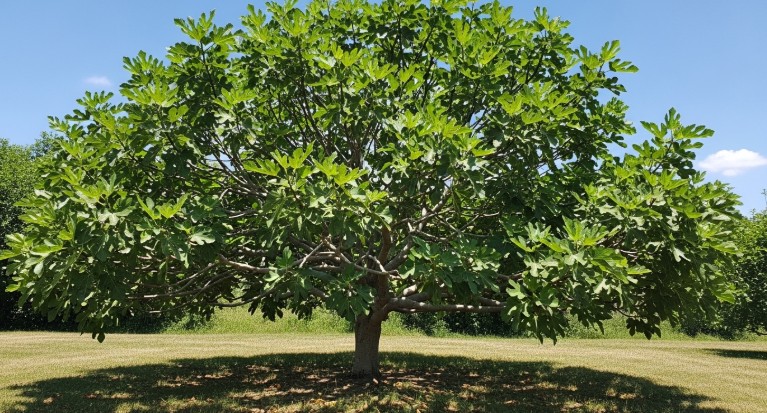
Fig trees naturally prefer an open canopy system to allow sunlight into the inner branches. However, structured pruning ensures stability so that branches don’t become overly heavy, weak, or prone to splitting during storms.
Common Fig Tree Problems That Require Proper Pruning
Overgrown canopy blocking sunlight
Dense foliage reduces fruit sweetness, limits airflow, and increases fungal growth risk.
Dead or weak branches reducing productivity
Dead wood drains energy and becomes a safety hazard over time.
Crossing or rubbing branches
Branches that touch each other create wounds that invite decay and weaken structural strength.
Storm damage and broken limbs
Severe weather often causes hidden cracks inside branches, which can lead to delayed failure if not properly pruned and assessed.
Step-by-Step Guide: how to prune a fig tree diagram method
Step 1 – Understand the fig tree structure diagram
Before cutting, study how the tree’s main framework should look to avoid structural imbalance.
Step 2 – Remove dead or damaged wood
Eliminate weak branches to stop decay from spreading through the tree.
Step 3 – Thin overcrowded growth
Improve sunlight exposure and airflow to boost fruit quality and reduce disease risk.
Step 4 – Shape main structural branches
Maintain evenly spaced limbs to distribute weight and prevent breakage.
Step 5 – Reduce excessive height
Controlling vertical growth improves harvesting ease and reduces wind damage risk.
Step 6 – Final inspection and cleanup
Ensure the canopy is balanced, open, and structurally sound after pruning.
Tools & Equipment Used for Fig Tree Pruning
Hand pruners and bypass cutters
Used for clean, precise cuts on small branches and fruiting shoots.
Loppers for thicker branches
Provide leverage for medium branches without damaging surrounding growth.
Pole saws for higher branches
Allow safe pruning of upper canopy areas without climbing unstable limbs.
Safety gear and protective equipment
Includes gloves, goggles, and sturdy footwear to reduce injury risk.
Professional arborist equipment
For large or overgrown fig trees, rigging systems and climbing gear ensure controlled, safe pruning.
Safety Considerations in Fig Tree Pruning
Ladder instability and fall hazards
Most pruning injuries occur due to unstable ladders or improper positioning.
Over-pruning risks
Removing too much foliage can shock the tree, reducing fruit production for multiple seasons.
Electrical line dangers
Branches near power lines require trained arborists due to severe electrocution risks.
Why DIY pruning can harm tree structure
Incorrect cuts can create decay points, weak regrowth, and permanent structural imbalance.
Cost Factors for Professional Fig Tree Pruning
Tree size and overall height
Larger trees require more labor, equipment, and time.
Level of overgrowth or neglect
Heavily neglected trees need corrective structural pruning.
Accessibility of branches
Tight spaces or obstacles increase complexity and safety requirements.
Seasonal timing (dormant vs active growth)
Dormant pruning is typically more efficient and cost-effective.
Cleanup and shaping requirements
Full debris removal and detailed shaping increase overall service cost.
DIY vs Professional Pruning (Comparison Table)
| Factor | DIY Fig Tree Pruning | Professional Service (Spots Woods Tree Service) |
|---|---|---|
| Safety | Risk of falls and injury | Fully safety-managed arborist work |
| Tree structure | Often unbalanced | Diagram-based precise pruning |
| Tools | Basic garden tools | Professional arborist equipment |
| Fruit production | Inconsistent yield | Optimized fruiting and growth |
| Efficiency | Slow process | Fast and controlled execution |
| Long-term health | Risk of damage | Improved tree longevity |
Maintenance & Prevention Tips for Fig Trees
Annual pruning using structured diagram
Regular pruning keeps the tree productive and structurally balanced.
Soil nutrition and watering balance
Proper nutrients improve fruit quality and strengthen root systems.
Preventing overcrowding early
Early training reduces the need for heavy corrective pruning later.
Monitoring pests and disease early
Early detection prevents long-term structural and biological damage.
Structural shaping for young fig trees
Early pruning builds a strong framework that lasts for years.
When to Call a Professional Arborist
Trees too tall or unsafe to reach
Large fig trees require climbing equipment and professional safety procedures.
Severe overgrowth or neglected trees
Corrective pruning restores structure and improves productivity.
Disease or structural weakness signs
Cracks, decay, or hollow branches require expert inspection.
Storm damage or broken limbs
Storm damage often hides deeper internal structural issues.
When diagram-based pruning is required
Complex shaping should always follow an arborist-designed structure plan.
At this stage, Spots Woods Tree Service can provide expert diagram-based pruning to restore safety, balance, and productivity.
FAQs About Fig Tree Pruning Diagrams
What is a how to prune a fig tree diagram used for?
It provides a structured visual guide for shaping and maintaining tree health.
When should fig trees be pruned?
Late winter or early spring before new growth begins.
Can I prune a fig tree without a diagram?
Yes, but it increases the risk of structural mistakes.
How much should I prune each year?
Typically 20–30% depending on tree condition.
Will pruning affect fruit production?
Yes, proper pruning improves fruit size and quality.
What happens if I over-prune?
It can weaken the tree and reduce fruiting significantly.
Do professionals use pruning diagrams?
Yes, arborists rely on structured diagrams for precision.
Is professional fig tree pruning worth it?
Yes, especially for mature or high-value fruit trees.
Conclusion
Understanding how to prune a fig tree diagram is essential for maintaining a strong, productive, and safe fruit tree. A proper diagram ensures balanced structure, better airflow, and improved fruit quality while reducing the risk of storm damage and branch failure.
While homeowners can handle light pruning, advanced shaping requires professional arborist expertise to avoid long-term structural damage. Incorrect pruning can permanently reduce yield and weaken tree stability.
For safe, precise, and long-lasting results, Spots Woods Tree Service provides professional diagram-based pruning that keeps fig trees healthy, productive, and structurally strong year after year.