
Short Answer
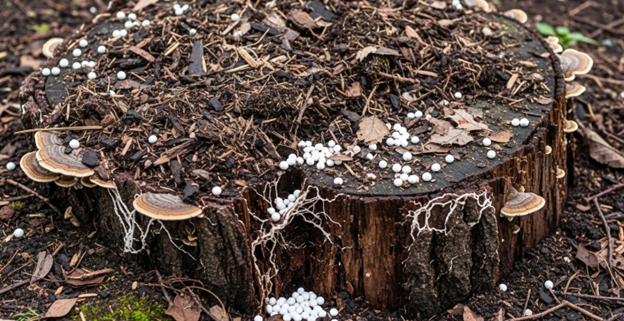
Rotting out a tree stump involves accelerating natural decomposition using chemical stump removers, nitrogen-rich fertilizers, or natural composting. Proper preparation, water management, and patience allow the stump to decay safely over time. Understanding these methods helps homeowners and gardeners, with guidance from Spots Woods Tree Service, remove stumps without heavy machinery or excessive labor, making it cost-effective and eco-friendly.
Quick Summary / Key Takeaways
- Stump rot accelerates natural decay using chemical or organic methods.
- Drill holes and apply stump remover or high-nitrogen fertilizers.
- Covering the stump with soil or mulch retains moisture for faster decomposition.
- Patience is required stump rot can take weeks to months.
- Eco-friendly alternatives reduce chemical exposure while effectively decaying wood.
- Small stumps rot faster than large, dense stumps.
Introduction
Leftover tree stumps are more than just unsightly they can block planting areas, attract pests, and become a tripping hazard. Many homeowners and gardeners ask, “How to rot out a tree stump?” because they want a low-cost, eco-conscious alternative to grinding or manual removal. Rotting a stump naturally or chemically is a safe method that avoids heavy machinery and reduces labor.
This guide covers the science behind stump decomposition, methods to accelerate rot, tools required, safety precautions, and practical tips for effective results. By the end, you’ll know how to transform a stubborn stump into a decomposed, manageable, and eco-friendly addition to your garden.
What Does It Mean to Rot Out a Tree Stump? (Core Definition Section)
Rotting out a tree stump is the intentional acceleration of natural decay using chemical or organic means. Unlike mechanical grinding, which removes the stump instantly, or leaving it to decay on its own, rotting involves stimulating microbial activity and moisture retention to break down the wood over time.
Benefits:
- Reduces labor and equipment needs
- Eco-conscious, avoids fuel use
- Can improve soil nutrient content
Limitations:
- Slower than grinding
- Requires monitoring and patience
- May need repeated applications for large stumps
Why Rotting Out a Tree Stump Works (H2 Section)
Biological & Chemical Mechanisms of Stump Decay
- Fungi, bacteria, and microbes naturally break down wood fibers.
- High-nitrogen fertilizers or chemical stump removers accelerate microbial activity.
- Moisture retention is crucial to sustain decomposition.
Environmental Factors Influencing Stump Decomposition
- Sunlight, soil temperature, and moisture levels affect decay rate.
- Softwood species rot faster than dense hardwoods.
- Presence of insects or natural decomposers enhances breakdown.
Who Is This For?
- Homeowners seeking cost-effective stump removal solutions.
- DIY gardeners preferring chemical or natural decomposition methods.
- Landscapers managing leftover stumps for aesthetics or safety.
- Eco-conscious individuals avoiding heavy machinery or fossil-fuel tools.
Step-by-Step Guide: How to Rot Out a Tree Stump
- Inspect Stump Condition – Determine species, size, and any existing rot.
- Drill Holes – Create deep holes across the stump to allow chemicals or fertilizer to penetrate.
- Apply Stump Rotting Agent – Use chemical stump remover, nitrogen fertilizer, or compost.
- Cover Stump – Add soil, mulch, or a tarp to retain moisture and accelerate decomposition.
- Water and Monitor – Keep the stump moist and check progress every few weeks.
- Repeat as Needed – Reapply treatment until the stump softens for removal or full decay.
- Final Removal or Repurposing – Once rotten, remove remnants or incorporate into the soil for enrichment.
Tools and Materials Needed
- Drill or auger for stump holes
- Stump remover chemicals or nitrogen fertilizer
- Compost, mulch, or soil
- Watering tools (hose or watering can)
- Safety gloves and goggles
Stump Rot vs Other Removal Methods
| Method | Effort | Cost | Time | Equipment Needed | Best For |
| Rot Out Stump | Medium | Low | Weeks–Months | Drill, stump remover, mulch | Small–medium stumps, eco-conscious |
| Stump Grinding | High | Medium | Hours | Stump grinder rental | Quick removal, medium–large stumps |
| Manual Removal | High | Low | Hours–Days | Shovel, mattock, pry bar | DIY small–medium stumps |
| Chemical Suppression | Low | Low | Weeks | Herbicides | Stop regrowth, hands-off approach |
Common Mistakes When Rotting Out a Stump
- Using insufficient chemical or fertilizer for large stumps.
- Skipping hole drilling, limiting chemical penetration.
- Failing to maintain moisture with mulch or tarp.
- Ignoring safety precautions for chemical treatments.
- Expecting instant results patience is key.
Pro Tips / Expert Insights
- Drill multiple deep holes for uniform chemical absorption.
- Combine nitrogen fertilizers with compost for faster decomposition.
- Cover with a dark tarp to retain moisture and warmth.
- Avoid chemical removers near edible plants.
- Smaller stumps rot faster; consider cutting large stumps into sections for efficiency.
Latest Trends & Updates (2025–2026)
- Eco-friendly stump rot products with low toxicity.
- Integration of stump rot into permaculture and regenerative landscaping.
- Use of garden sensors to monitor moisture levels for optimal decomposition.
- Combining rot-out methods with wood chip recycling to enrich soil.
People Also Ask
- How long does it take to rot out a tree stump naturally?
- Can I speed up stump decomposition?
- Which chemicals work best for rotting stumps?
- Is rotting a tree stump eco-friendly?
- How do I prevent stump sprouts while rotting the stump?
- Can large stumps rot out without machinery?
- Should I cut the stump first for faster decay?
- Can composting help rot a stump faster?
FAQs
How to rot out a tree stump?
Drill holes, apply stump remover or nitrogen fertilizer, cover with mulch, and maintain moisture until decomposition occurs.
Can I use natural compost to rot a stump?
Yes, high-nitrogen compost accelerates microbial decay safely.
How long does it take for a stump to rot completely?
Small stumps: 6–12 weeks; Large stumps: several months.
Is chemical stump remover safe for nearby plants?
Only if applied carefully, avoiding root contact with edible plants.
Can I speed up decomposition with water?
Keeping the stump moist is crucial for microbial activity.
Do all tree species rot at the same rate?
No softwoods decay faster than hardwoods.
Can I repurpose a rotten stump for landscaping?
Yes, once soft, it can be used as mulch, soil amendment, or garden art.
What safety precautions are needed?
Wear gloves, goggles, and avoid chemical contact with skin.
Conclusion
Rotting out a tree stump is a cost-effective, eco-friendly solution for managing leftover stumps. By understanding stump biology, applying chemical or organic rot accelerators, and maintaining moisture, homeowners and gardeners can safely decompose stumps without heavy machinery. Patience and proper technique ensure successful results while enhancing soil health.