
Short Answer
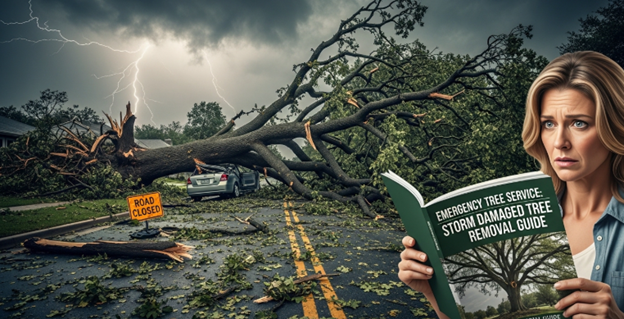
You need an emergency tree service when a tree poses an immediate risk to people, property, or utilities. Situations like storm damage, fallen limbs, leaning trees, or split trunks require urgent professional attention to prevent injury, structural damage, and costly repairs.
Quick Summary / Key Takeaways
- Emergency tree services handle dangerous, time-sensitive situations
- Common causes: storms, disease, structural failure
- Immediate action prevents injury and property damage
- Costs are higher due to urgency and risk
- Professionals use specialized equipment and safety protocols
- Not all tree issues are emergencies timing matters
Introduction
A tree might look stable one day and become a serious hazard the next. Strong winds, heavy rain, or hidden decay can quickly turn a healthy-looking tree into a threat to your home, your car, or even your safety.
That’s why so many homeowners urgently search: “Why do you need an emergency tree service?”
The confusion usually comes from not knowing the difference between routine tree care and a true emergency. Acting too late can lead to costly repairs, insurance complications, or even injuries.
This guide breaks it all down clearly when you need emergency help, what it costs, and how to respond quickly and safely.
What Is an Emergency Tree Service?
An emergency tree service is a rapid-response professional service designed to handle dangerous tree situations that require immediate action.
Emergency vs Routine Tree Service
- Emergency service: Immediate response for hazardous trees
- Regular service: Scheduled maintenance like pruning or trimming
Common Tree Emergencies
- Fallen trees
- Hanging or broken limbs
- Leaning trees after storms
- Trees touching or near power lines
These situations require trained professionals with the right tools and safety protocols.
Why Do You Need an Emergency Tree Service?
Immediate Safety Risks
- Falling branches can injure people instantly
- Entire trees can collapse without warning
- Risk increases during storms or high winds
Property Damage Prevention
- Trees can crush roofs, cars, and fences
- Roots can destabilize driveways and foundations
- Delayed action can turn minor damage into major repair costs
Utility & Power Line Hazards
- Contact with power lines creates electrical and fire risks
- Even approaching these areas without training is dangerous
Legal & Liability Issues
- Property owners may be responsible for damages
- Insurance claims can be denied if negligence is proven
Why Do You Need an Emergency Tree Service After a Storm?
Storms are the most common cause of tree emergencies and also the most deceptive.
- Hidden structural damage: Trees may look intact but have internal cracks
- Soil instability: Saturated ground weakens root systems
- Delayed collapse: Trees can fall hours or days later
This is why post-storm inspections are critical even if damage isn’t obvious.
Common Situations That Require Emergency Tree Services
- Storm-damaged or uprooted trees
- Large branches hanging over your home
- Split trunks or major cracks
- Trees blocking driveways or roads
- Lightning-damaged trees
Who Should Call an Emergency Tree Service?
Emergency tree services aren’t just for homeowners.
- Homeowners with trees near structures
- Property managers handling multiple units
- Commercial property owners
- Landlords responsible for tenant safety
- HOAs managing shared landscapes
What to Do in a Tree Emergency
1. Assess the Situation Safely
Stay at a distance—never approach a damaged tree closely.
2. Evacuate if Necessary
If a tree threatens your home or structure, leave the area immediately.
3. Avoid Contact with Wires
Assume all wires are live, never touch or go near them.
4. Call a Professional Immediately
Contact a trusted provider like Spots Woods Tree Service for rapid response and safe handling.
5. Document the Damage
Take photos for insurance claims before any work begins.
6. Plan Next Steps
Decide whether the tree needs removal, trimming, or stabilization.
What Happens During an Emergency Tree Service Visit?
- Initial hazard assessment
- Establishment of a safety zone
- Use of specialized tools (chainsaws, cranes, rigging systems)
- Controlled removal or stabilization
- Complete cleanup of debris
Emergency Tree Service vs Regular Tree Service
| Service Type | Response Time | Cost Range | Purpose | Risk Level |
| Emergency Service | Immediate | $$$–$$$$ | Urgent hazard removal | High |
| Regular Tree Service | Scheduled | $$–$$$ | Maintenance & aesthetics | Low |
What Affects Emergency Tree Service Costs?
- Severity of tree damage
- Tree size and weight
- Location near structures or power lines
- Equipment needed (cranes, lifts)
- Timing (night, weekend, or urgent calls)
People Also Ask
What qualifies as a tree emergency?
Any situation where a tree threatens safety, property, or utilities.
Can I remove a fallen tree myself?
Only small, low-risk trees. Large or unstable trees require professionals.
How quickly should I act after tree damage?
Immediately delays increase risk and damage.
Does insurance cover emergency tree removal?
Often yes, especially if the tree damages insured property.
What if a tree falls on my house?
Evacuate, contact emergency services, then call a tree professional.
Are emergency tree services available 24/7?
Yes, most providers operate around the clock.
Is a leaning tree always dangerous?
Not always but sudden leaning after a storm is a warning sign.
Who is responsible for a fallen tree?
Usually the property owner where the tree originated.
Common Mistakes to Avoid
- Waiting too long to act
- Attempting DIY removal in dangerous conditions
- Ignoring partially damaged trees
- Failing to document damage for insurance
Pro Tips / Expert Insights
- Always prioritize safety over saving money
- Address small issues early to avoid emergencies
- Keep emergency contacts ready during storm season
- Work with reliable professionals like Spots Woods Tree Service for fast and safe solutions
Latest Trends & Updates (2025–2026)
- Increased demand due to extreme weather conditions
- Use of drones for safer inspections
- Advanced rigging techniques improving safety
- Rising costs due to labor and equipment demand
Real-World Scenarios
Tree Falls on Roof
Immediate removal prevents further structural collapse.
Branch Blocking Driveway
Quick clearance restores access and prevents accidents.
Leaning Tree After Rain
Indicates root instability urgent inspection needed.
Lightning Damage
Internal decay may not be visible but can weaken the tree.
FAQs
Why do you need an emergency tree service immediately?
Because delays can lead to injury, severe property damage, and higher costs.
How do I know if my tree is dangerous?
Look for cracks, leaning, dead branches, or exposed roots.
How much does emergency tree service cost?
Costs vary widely, typically higher than regular services due to urgency and risk.
Can I wait before calling a professional?
Only if there’s no immediate danger otherwise act quickly.
What equipment is used in emergency tree removal?
Chainsaws, cranes, rigging systems, and safety gear.
Do emergency services include cleanup?
Yes, most services include debris removal.
Are emergency tree services available at night?
Yes, many operate 24/7 for urgent situations.
Will insurance pay for emergency tree removal?
Often yes, if the tree damages insured structures.
Conclusion
Understanding why do you need an emergency tree service can make the difference between a manageable situation and a costly disaster.
These services are essential for protecting lives, preventing property damage, and reducing liability risks. Acting quickly ensures safety and minimizes long-term expenses.
When emergencies happen, relying on experienced professionals ensures the job is done safely, efficiently, and correctly the first time.